CCQ Thermal Insulator (Calorifugeur) qualification exam prep (thermal and mechanical insulation) | Prof-RBQ.ca
Complete strategy guide: passing the CCQ Thermal Insulator (Calorifugeur) qualification exam (thermal and mechanical insulation)
1. What is the thermal insulator trade and who must take the exam?
The thermal insulator (calorifugeur) is the specialist in thermal and mechanical insulation on Quebec construction sites: they install insulation on piping, ducts, tanks and equipment, then cover it with a protective finish. Anyone who wants to practise this trade in the construction industry governed by the Commission de la construction du Québec (CCQ) must pass the corresponding qualification exam. Prof-RBQ.ca prepares you for it entirely in English.
2. Scope of the trade: what work does the thermal insulator perform?
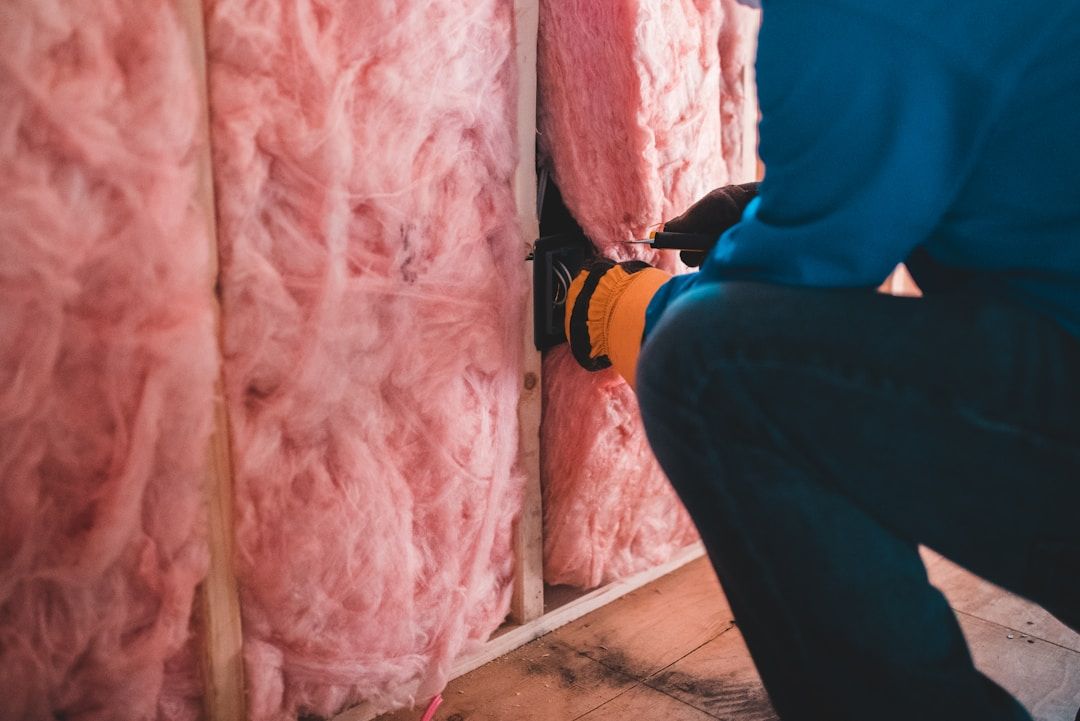
The thermal insulator works wherever it is necessary to keep heat or cold in, control condensation and protect personnel from hot surfaces. In concrete terms, the trade covers work organization (reading insulation specifications, selecting materials, taking off quantities, preparing surfaces); installing the insulation on piping, ducts and equipment, including singular points such as fittings, valves and flanges, on both hot and cold systems; finishing work with soft and rigid finishes - sheet metal, PVC, cloth and coatings - including caulking and water and vapour sealing; and asbestos removal when existing insulation contains it. Work that falls under other specialties - firestopping, fireproofing, soundproofing, underground insulation, refractory or cryogenics - is not part of the thermal insulator qualification exam.
3. CCQ exam format: what to expect
- Question type: multiple choice
- Language: English
- Assessed scope: 3 content sections covering insulation installation, finishing work and asbestos removal
- Weighting: Work organization and insulation installation 45% · Finishing work 40% · Asbestos removal 15%
- Cognitive level: a mix of materials knowledge, understanding of installation and finishing techniques, and application of safety and asbestos removal rules - with practical skills in measurement and quantity take-off
4. Documentation and expected knowledge
The CCQ Thermal Insulator qualification exam rests on knowledge to master: material properties, installation and finishing techniques, and safety rules. Asbestos regulation, in particular, is subject matter to study and memorize.
Technical knowledge to master
- Insulation materials and properties - thermal conductivity, temperature range, vapour barrier, mechanical strength and compatibility of insulants.
- Installation and finishing techniques - installation on piping, ducts and equipment; soft and rigid finishes (sheet metal, PVC, cloth, coatings); caulking and sealing.
Regulatory framework to MEMORIZE (asbestos and safety)
- Safety Code for the construction industry, CQLR, c. S-2.1, r. 4 - subsection 3.23 (Asbestos) - risk levels, wetting, containment and enclosure, respiratory protection, cleaning and waste management.
- Occupational health and safety rules - safe handling of materials and protection of workers on insulation sites (CNESST).
5. The 3 sections and the 20 lessons
Section 1 - Work organization and insulation installation (45%)
The heart of the trade: the families of insulation materials and their properties (thermal conductivity, service temperature, vapour barrier, mechanical strength); reading insulation specifications and taking off quantities; surface preparation; and installing the insulation on piping, ducts and equipment, including fittings, valves and flanges, on both hot and cold systems.
Section 2 - Finishing work (40%)
Protecting the insulation: soft finishes (cloth, coatings, membranes) and rigid finishes (sheet metal and PVC), their forming, installation and fastening; caulking, water and vapour sealing, and careful finishing of singular points - elbows, tees, valves and terminations - for a durable and clean job.
Section 3 - Asbestos removal (15%)
The regulatory part: recognizing insulation likely to contain asbestos and applying subsection 3.23 of the Safety Code for the construction industry - the low, moderate and high risk levels, wetting, containment and enclosure, respiratory protection, cleaning and safe management of asbestos waste.
6. Key technical skills (official context)
Material properties determine the right insulation
An insulation job starts from the material: insulants differ in their thermal conductivity, their service temperature range, their behaviour toward moisture and their mechanical strength. The thermal insulator chooses the insulation and its thickness based on the service - hot water, steam, chilled water, air duct - and knows when a vapour barrier is required to prevent condensation on cold systems. The exam expects you to link the material property to the service being insulated.
Installation on singular points: fittings, valves and flanges
Insulating a straight length of pipe is simple; the difficulty - and the exam points - lie at the singular points: elbows, tees, valves, flanges and supports. These elements require preformed or shaped sections, a tight fit and continuity of the insulation and vapour barrier to avoid thermal bridges and condensation. The thermal insulator must know the installation method specific to each component.
Hot systems and cold systems: two opposite logics
On a hot system, the insulation limits heat loss and protects personnel from burning surfaces; on a cold system, it prevents air moisture from reaching the cold surface and condensing, which makes the continuous vapour barrier and sealing decisive. Confusing the two logics - notably placing or piercing the vapour barrier on the wrong side - is a classic error the exam targets.
Soft finishes and rigid finishes: choosing and forming
The finish protects the insulation against mechanical damage, water and UV. The thermal insulator chooses between a soft finish (cloth, coating, membrane) and a rigid finish (sheet metal or PVC) depending on exposure, appearance and maintenance. Sheet metal and PVC demand precise forming, an overlap in the correct direction to shed water and caulking at the joints; a poorly executed finish lets water in and ruins the insulation.
Water and vapour sealing
The performance of an insulation job depends on its continuity: sealed joints, overlaps oriented to shed water, caulked penetrations and an uninterrupted vapour barrier. On cold systems, the slightest breach of the vapour barrier creates a path for condensation. The exam checks that you know how to achieve and verify this sealing at joints and terminations.
Asbestos: risk levels and safe work methods
When existing insulation contains asbestos, removal work is governed by subsection 3.23 of the Safety Code for the construction industry. The regulation classifies the work into risk levels (low, moderate, high) that dictate the measures to apply: wetting the materials to suppress dust, containment and a sealed enclosure, appropriate respiratory protection, cleaning and bagging of waste. Knowing the correct risk level and the associated measures is essential - it is the most codified subject matter on the exam.
7. Preparation strategy and tips for success
Work through the material in the order of the trade and the exam: first master the materials and installation of the insulation (45%), then the soft and rigid finishing work (40%), and finish with asbestos removal (15%), the most regulatory section. Practise your quantity take-off on real insulation specifications and learn the articles of subsection 3.23 by heart, because this subject matter does not forgive approximation. The 20 lessons, the question bank, the visual quiz and the flashcards of Prof-RBQ.ca follow exactly this progression and weighting.
8. Why Prof-RBQ.ca is the best way to prepare
Prof-RBQ.ca is built by matching each lesson and each question to the three official sections of the qualification exam and respecting their 45 / 40 / 15 weighting. The technical content is anchored to the real properties of materials and to the installation and finishing methods of the trade, and the asbestos section is anchored verbatim to subsection 3.23 of the Safety Code for the construction industry, cited article by article. Nothing is generic: materials, finishes and asbestos rules are the ones the exam actually requires. It is a complete preparation set in English for the CCQ Thermal Insulator.
Frequently asked questions
What does the CCQ Thermal Insulator exam cover?
The CCQ Thermal Insulator qualification exam assesses the thermal and mechanical insulation trade: work organization and installation of insulation on piping, ducts and equipment, finishing work with soft and rigid finishes (sheet metal, PVC), and asbestos removal. Prof-RBQ.ca matches its 20 lessons directly to these three assessment areas.
How are the 3 sections of the CCQ Thermal Insulator exam weighted?
The exam is divided into three sections: Work organization and insulation installation (45%), Finishing work (40%) and Asbestos removal (15%). Prof-RBQ.ca distributes its 20 lessons in exactly this proportion so that your study time matches the real weight of each section on the exam.
Does the CCQ Thermal Insulator course cover asbestos and the Safety Code for the construction industry?
Yes. The Asbestos removal section (15% of the exam) is anchored to subsection 3.23 (Asbestos) of the Safety Code for the construction industry, CQLR, c. S-2.1, r. 4: the low, moderate and high risk levels, wetting, containment and enclosure, respiratory protection and waste management. Prof-RBQ.ca cites the regulatory articles by number.
Do you need calculation skills for the CCQ Thermal Insulator exam?
The thermal insulator trade does not require complex engineering calculations, but it does require knowing how to read an insulation specification, take measurements, take off quantities of materials and finishes and work with thicknesses and dimensions. Prof-RBQ.ca practises these measurement and estimation skills in its lessons and its question bank.
Is the CCQ Thermal Insulator course in English?
Yes. The Prof-RBQ.ca course is entirely in English - 20 lessons, a question bank, a demo, a visual quiz and flashcards - and uses the official English terminology of the trade and the official titles of Quebec regulations, including the Safety Code for the construction industry.
What is a thermal insulator (calorifugeur)?
A thermal insulator installs thermal and mechanical insulation on the piping, ducts, tanks and equipment of a building in order to keep heat or cold in, control condensation and protect personnel. They install the insulation then protect it with a soft or rigid finish (sheet metal, PVC, cloth, coating). Prof-RBQ.ca devotes full lessons to materials, installation and finishes before addressing asbestos.
How many lessons does the CCQ Thermal Insulator course contain?
The course has 20 lessons across 3 sections (installation, finishing and asbestos), accompanied by a question bank, a demo, a visual quiz and flashcards. Prof-RBQ.ca structures the progression in the order of the trade: materials and insulation installation, finishing work, then asbestos removal.