
CCQ (EN) — Tile setter
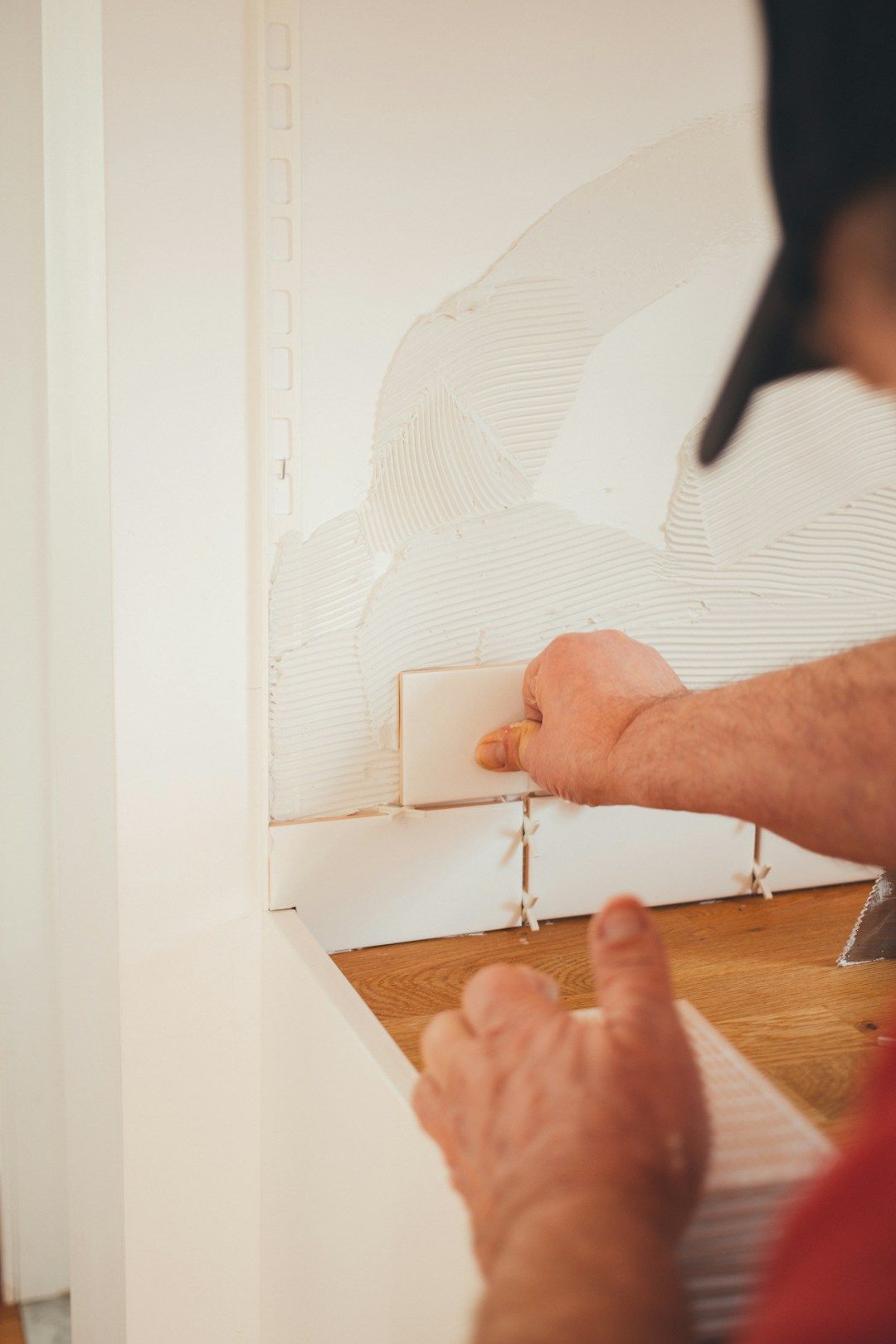
Prepare for the CCQ Tile setter qualification exam with an online course: lessons, quizzes with explained answers and review tools, available anytime for 3 months.
The trade at a glance
Under the Regulation respecting the vocational training of workforce in the construction industry (R-20, r. 8), a tile setter cuts and sets marble, granite, prefabricated terrazzo, slate and similar materials.
- Schedule B of the regulation sets 3 apprenticeship periods of 2,000 hours (6,000 hours) for this trade.
- Eligible candidates register for the CCQ qualification examination with the Commission (R-20, r. 8, s. 6); the examination pertains to the trade, specialty or shared activity (s. 7).
Please note — This course prepares you for the CCQ qualification exam. Its content is educational: before applying any concept on a job site, consult the codes, regulations and standards in force, which take precedence in case of discrepancy. Some quizzes refer to paid codes, standards or manuals that are not included and may be required; they are available separately from their publishers. If you do not have the document a question refers to, simply skip that question. Prof-RBQ is independent of the CCQ and the RBQ and does not guarantee success on the exam.
Online course
Now
3 months
Course Lessons
CCQ Tile Setter Qualification Exam Preparation
Online course aligned with the three official sections of the CCQ Tile setter (Carreleur) qualification exam — practice questions, flashcards, mock exams, and detailed answer explanations covering surface preparation, thin-set installation, dimension stone, and terrazzo.
1. About the CCQ Tile setter exam
The Tile setter (Carreleur) qualification exam is the official theoretical evaluation administered by the Commission de la construction du Québec (CCQ). Passing this exam is a key step toward obtaining a journeyman competency certificate and being authorized to work as a tile setter on Quebec construction sites.
The exam covers three sections weighted as follows: Preparing surfaces for tiling (33%), Installing tiles using the thin-set method (45%), and Installing other types of coverings (22%) — including dimension stone and terrazzo. It is offered in French and English in multiple-choice format and lasts approximately 3 hours, with a passing grade of 60%.
2. Exam structure at a glance
| Section | Title | Weight | Focus |
|---|---|---|---|
| 1 | Preparing surfaces for tiling | 33 % | Substrate verification, membranes, self-leveling underlayments, mortar beds |
| 2 | Installing tiles by thin-set | 45 % | Reference lines, setting products, tile cutting, joints, grouting |
| 3 | Other coverings | 22 % | Dimension stone slabs, terrazzo placement and finishing |
Section 2 (thin-set tile installation) is the heaviest single block. Together with Section 1 (substrate preparation), it accounts for 78% of the score. Section 3 covers specialty work — dimension stone and terrazzo — that not every candidate practises daily, but cannot be ignored.
3. Detailed competency elements
Section 1 — Preparing surfaces for tiling (33%)
Preparing the work to be performed:
- Recognize site hazards
- Choose personal protective equipment appropriate to the task and work situation
- Verify the conformity of received materials and prepare them
- Calculate the quantity of materials required
- Verify the conformity of the surfaces to be covered
- Prepare the surfaces according to the product to be installed
Correcting the base surface:
- Choose and install different types of membranes
- Know the conditions for using self-leveling underlayments
- Prepare and apply self-leveling underlayments
- Know the conditions for using a mortar bed
- Prepare and place mortar beds
- Explain work methods and steps
Section 2 — Installing tiles by the thin-set method (45%)
Establishing reference lines:
- Verify and adjust room squareness
- Mark reference lines
Applying setting products:
- Know the properties and conditions of use for setting products, mortars, and additives
- Prepare and apply setting products
Installing the tiles:
- Choose and install profiles
- Choose and use cutting tools
- Know joint characteristics
- Use beating-in and back-buttering techniques
- Explain work methods and steps
Grouting the tiles:
- Know the properties and conditions of use for different grout types
- Prepare and apply grout
- Clean the grout
Section 3 — Other types of coverings (22%)
Installing dimension stone slabs on floors, stairs, and walls:
- Determine the work sequence
- Prepare slabs to receive anchors
- Know anchor point locations
- Cut and drill slabs
- Choose and use products appropriate to the installation situation
- Bond slabs to the substrate
- Place and fix anchors to the slabs or substrate (mechanical anchors, wire)
- Choose and use jointing products
- Joint the slabs
Applying terrazzo (granito) coverings:
- Choose and use appropriate tools and equipment
- Mix terrazzo ingredients
- Place divider strips for the terrazzo
- Place and finish terrazzo coverings
- Order work steps
- Explain work methods and steps
4. Documents provided at the exam
This is a defining feature of all CCQ trade qualification exams: unlike RBQ contractor exams (some of which are open book), CCQ exams are systematically closed book regardless of the trade. Plan your study accordingly.
5. Recommended study documents
The CCQ suggests the following references for preparation. None of them will be available during the exam — they are study aids only. Use them to build understanding, then test recall with practice questions and flashcards.
- National Terrazzo and Mosaic Association (NTMA) — terrazzo installation technical resources (ntma.com)
- 2007 Specification 09 66 00 — Terrazzo — Terrazzo, Tile and Marble Association of Canada (TTMAC), Concord, Ontario, 2007, 80 p.
- Specification Guide 09 30 00 — Tile Installation Manual 2014-2016 — Terrazzo, Tile and Marble Association of Canada (TTMAC), Concord, Ontario, 2014, 118 p.
- Dimension Stone Guide — Volume 2 (English only) — Terrazzo, Tile and Marble Association of Canada (TTMAC), Concord, Ontario, 2010, 149 p.
6. What makes the Tile setter exam different
The Tile setter trade is unusual in how heavily the exam weights substrate preparation. Section 1 (33%) is dedicated entirely to surface diagnosis, membrane selection, self-leveling underlayments, and mortar beds — work performed before a single tile is laid. Combined with Section 2's setting-product fundamentals, the exam puts roughly half the weight on what's under the tile rather than the tile itself. This reflects field reality: almost every callback and failure traces to a substrate issue, not the tile.
Section 2 (45%) is the heaviest single block and tests the full thin-set workflow: squareness verification, mortar selection and application, profile installation, cutting techniques, joint characteristics, beating-in and back-buttering, then grouting and cleanup. The exam asks why a particular method is used in a given situation as much as how to execute it — pure field experience without theoretical understanding tends to score lower than expected.
Section 3 (22%) is small but covers two specialty workflows — dimension stone and terrazzo — that are not part of every tile setter's daily work. Dimension stone (large-format natural stone slabs) requires anchoring knowledge that's distinct from regular tile work. Terrazzo (in-situ poured aggregate-and-binder flooring with divider strips) is a separate craft with its own mix, placement, and finishing rules. A candidate who has never poured terrazzo or anchored a stone slab will struggle without dedicated study. Because the exam is closed book, the platform also tracks what you've actually memorized — flashcards spaced over multiple sessions surface weak areas before exam day.
7. Recommended preparation strategy
- Anchor preparation around Section 2 (45%) and Section 1 (33%). Together they are 78% of the exam, and Section 1 underpins Section 2 — failures at the substrate stage make the rest of the work irrelevant.
- Treat the exam as closed book from day one. Memorize membrane application limits, self-leveling underlayment thicknesses, mortar bed depths, grout types, and beating-in procedures — you will not have a manual to consult.
- Read the recommended documents in this order: TTMAC Tile Installation Manual (the foundation — Section 1 and Section 2), then TTMAC Terrazzo Specification (Section 3 terrazzo), then TTMAC Dimension Stone Guide (Section 3 stone), then NTMA online resources (additional terrazzo depth).
- Don't neglect Section 3. Many candidates underestimate the dimension-stone and terrazzo content because it's not their daily work. The 22% weight is large enough to fail the exam if you skip it.
- Drill substrate diagnosis questions. Section 1 questions often present a real-world surface scenario and ask which corrective system applies — these are calibrated to common field mistakes.
- Take at least two full mock exams under real conditions (3 hours, no documents, single sitting) before scheduling the real exam.
- Review every wrong answer. The Prof-RBQ.ca platform shows the reasoning behind each correct answer — read every explanation, even on questions you got right.
8. Why Prof-RBQ.ca for the Tile setter exam
- Aligned with the official CCQ structure — content mapped one-to-one to the three sections, with extra depth on substrate preparation (Section 1) and the heavyweight Section 2 thin-set content.
- Closed-book training methodology — flashcards and spaced practice designed for memorization, not lookup.
- Mock exams in CCQ format — multiple choice, 3-hour timing, scoring out of 60% — so exam day feels familiar.
- Detailed answer explanations — every question, right or wrong, comes with a written rationale.
- Bilingual — full course in English and French. The CCQ exam itself is offered in both languages.
- A free section is available so you can try the platform before committing.
Get ready for your CCQ Tile setter exam
Online course, mock exams, flashcards, and answer explanations — built for the closed-book CCQ format and the full tile-setter scope.
Access Prof-RBQ.caFrequently asked questions
What is the CCQ Tile setter qualification exam?
The CCQ qualification exam for the Tile setter (Carreleur) trade is the official theoretical exam administered by the Commission de la construction du Québec to obtain a journeyman competency certificate. It evaluates competencies across three sections: Preparing surfaces for tiling (33%), Installing tiles using the thin-set method (45%), and Installing other types of coverings (22%) — including dimension stone and terrazzo.
Is the Tile setter exam open book or closed book?
The CCQ Tile setter exam is entirely closed book. No reference document is provided during the exam and personal documents are not allowed. All study materials must be memorized — focus your preparation on understanding rather than locating information in a manual.
How long is the exam and what is the passing grade?
The CCQ Tile setter exam typically lasts 3 hours and the passing grade is 60%. The exam is offered in French and English in multiple-choice format. Confirm the official details on the CCQ website before your exam date.
What are the three sections of the Tile setter exam?
The exam is divided into three sections: Section 1 — Preparing surfaces for tiling (33%); Section 2 — Installing tiles using the thin-set method (45%); Section 3 — Installing other types of coverings (22%) — dimension stone and terrazzo. Section 2 is the heaviest single block, and together Sections 1 and 2 account for 78% of the score.
What does Section 1 — Preparing surfaces for tiling cover?
Section 1 (33%) covers preparing the work to be performed (recognizing site hazards, selecting appropriate PPE, verifying material conformity, calculating material quantities, verifying the surfaces to be covered, preparing surfaces for the product to be installed) and correcting the base surface (selecting and installing different types of membranes, knowing the conditions for using self-leveling underlayments, preparing and applying self-leveling underlayments, knowing the conditions for using a mortar bed, preparing and placing mortar beds, explaining work methods and steps).
What does Section 2 — Installing tiles by thin-set cover?
Section 2 (45%) covers establishing reference lines (verifying and adjusting room squareness, marking reference lines), applying setting products (knowing properties and conditions for setting products, mortars, and additives, preparing and applying them), tile installation (selecting and installing profiles, cutting tools, joint characteristics, beating-in and back-buttering techniques, work methods and steps), and grouting (knowing different grout types and their properties, preparing and applying grout, cleaning grout).
What does Section 3 — Other coverings cover?
Section 3 (22%) covers installing dimension stone slabs on floors, stairs, and walls (work sequence, preparing slabs for anchors, anchor point locations, cutting and drilling, selecting setting products, bonding to the substrate, mechanical or wire anchors, jointing) and applying terrazzo (granito) coverings (selecting tools and equipment, mixing terrazzo ingredients, placing divider strips, placing and finishing the terrazzo, ordering and explaining work steps).
What documents are recommended for exam preparation?
The CCQ recommends four references: the National Terrazzo and Mosaic Association (NTMA) website, which contains technical information on terrazzo installation; the TTMAC 2007 Specification 09 66 00 — Terrazzo (Terrazzo, Tile and Marble Association of Canada, Concord, Ontario, 2007, 80 p.); the TTMAC Specification Guide 09 30 00 — Tile Installation Manual 2014-2016 (Concord, Ontario, 2014, 118 p.); and the TTMAC Dimension Stone Guide — Volume 2 (Concord, Ontario, 2010, 149 p., available in English only). None of these documents are provided at the exam — they are study references only.
Why is surface preparation so important for this exam?
Section 1 (surface preparation, 33%) is heavily weighted because almost every tile-installation failure traces back to a substrate problem: unflat surfaces, poor membrane selection, missed waterproofing, incompatible underlayments. The exam tests a candidate's ability to diagnose substrate problems, choose the right corrective system (membranes, self-leveling underlayment, mortar beds), and apply it before any tile is laid. Strong installers spend more time on substrate prep than on tile setting itself — and the CCQ exam reflects that priority.
How does Prof-RBQ.ca prepare me for the Tile setter exam?
Prof-RBQ.ca offers an online preparation course aligned with the three official CCQ sections, with practice questions, flashcards, mock exams, and detailed explanations for every wrong answer. The platform mirrors the multiple-choice format of the actual exam so you arrive prepared, with extra emphasis on the heavyweight Section 2 (thin-set installation) and Section 1 (substrate preparation, the section most often underestimated).
Is the preparation course available in English?
Yes. Prof-RBQ.ca offers the Tile setter preparation in English and French. The official CCQ exam is also offered in both languages — choose your exam language when registering with the CCQ.
How do I register for the Tile setter preparation course?
Visit Prof-RBQ.ca to access the Tile setter preparation course. A free section is available so you can try the platform before committing. Pricing and registration are available on Prof-RBQ.ca.